
Brand architecture: what it is and why it matters
Brand architecture defines how a business's products, services, and brands relate to each other. Understand when it matters and how wrong decisions are costly.
Neste artigo
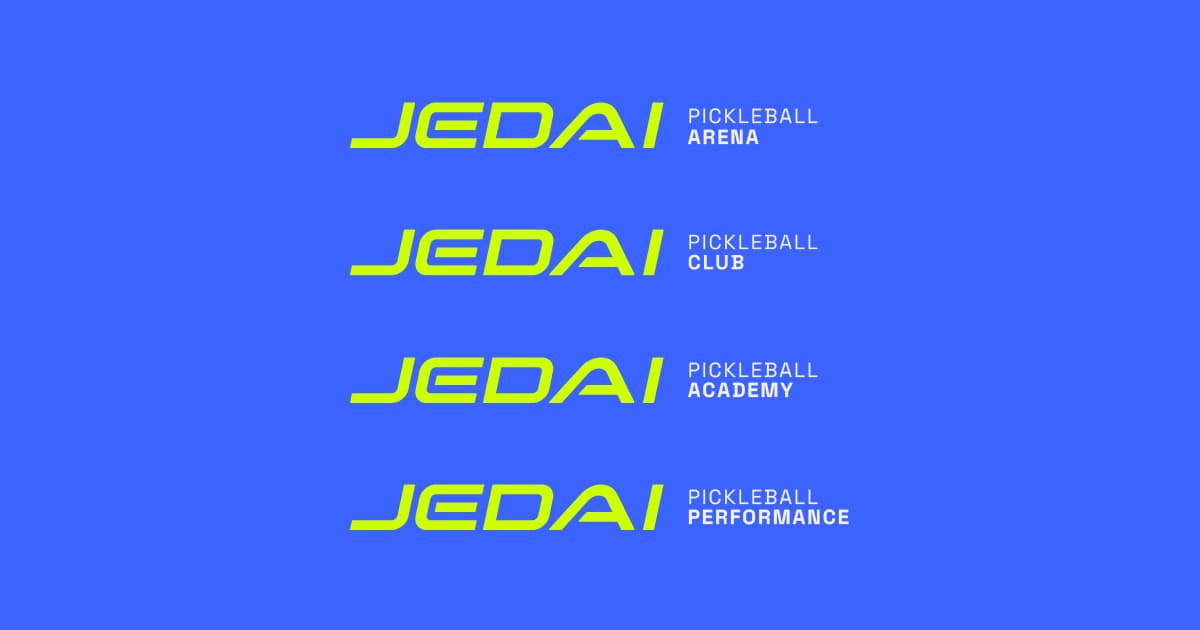
You have a business. You created a second product. Maybe a different line. Maybe a complementary service.
And now you need to decide: will this have its own name? Will it go together with the main brand? Will it be separate?
This decision has a name. It's called brand architecture.
And it directly affects how much you spend to grow, how the client perceives your business, and how much your brand is worth in the long run.
What is brand architecture
Brand architecture is the structure that organizes a business's brands, products, and services and defines how they relate to each other.
It's the decision to use one name, two names, or ten. To show the parent brand prominently or hide it. To create sub-brands or keep everything under the same umbrella.
It sounds abstract. But it has direct implications for budget, perception, and growth.
The three main models
- →Branded House. One main brand that covers everything. Products and services are extensions of it, not independent brands. Classic example: Apple. iPhone, MacBook, iPad. Everything is Apple. The parent brand carries the weight of everything. Advantage: each new product benefits from the parent brand's reputation. Less investment to launch something new. Disadvantage: a problem with one product affects the entire brand.
- →House of Brands. Independent brands with little or no visible connection to the controlling company. Classic example: Procter & Gamble. Ariel, Gillette, Pampers. Each has its own identity. Few people know they belong to the same company. Advantage: each brand can be positioned for a different audience without contaminating the others. Disadvantage: high cost. Each brand needs to be built from scratch.
- →Endorsed Brand. Brands with their own identity, but with the parent brand present as an endorsement. Advantage: balance between independence and brand heritage. Disadvantage: requires the parent brand to have strong enough reputation to be worth endorsing.
When brand architecture becomes a problem
When it wasn't thought through.
Businesses that grow without planning architecture end up with products with names that compete with each other in the client's perception. A premium line hurt by association with a popular line. Brands that can't be sold separately because they're attached to the founder's personal brand. Client confusion about what the company actually does.
Each of these situations has a cost. Of rework, of repositioning, of missed opportunities.
For small and medium businesses: when this matters
Brand architecture isn't just for corporations.
If you have or plan to have more than one product, service, or line with different audiences, you need to think about this before, not after.
The most common decisions small businesses need to make:
- →Use your own name or create a separate brand? Personal brands have scale limits. They're hard to sell, delegate, and expand. Creating an independent brand from the start opens more paths in the long run.
- →Launch a new service under the same name or a separate one? It depends on how much the audiences overlap and whether the association helps or hurts. A premium service launched under a brand the market perceives as affordable will carry that weight.
- →How to name products within a line? Consistent naming communicates system and coherence. Random names communicate improvisation.
Brand architecture and business value
Well-architected brands are worth more. They can be sold, licensed, franchised, or scaled more easily.
A personal brand tied to the founder's personal identity is worth practically nothing if the founder leaves. A brand structured as an independent asset has real market value.
Brand architecture isn't a branding detail. It's a patrimonial decision.
Where to start
Before any architecture decision, answer: How many brands or lines do you have or plan to have? Are the audiences of each different or the same? Does the association between them help or hurt? What's the long-term plan? How much are you willing to invest to build each brand separately?
With these answers, the right structure becomes more evident.
Brand architecture decisions made at the start cost little. Corrected later, they cost a lot.
Perguntas frequentes
What does brand architecture actually mean for a growing business?
It's the structure that organizes a business's brands, products, and services and defines how they relate to each other, including decisions like using one name or several, and showing the parent brand or hiding it.
What's the difference between a Branded House and a House of Brands?
In a Branded House, one main brand covers everything, like Apple with the iPhone and MacBook. In a House of Brands, independent brands have little visible connection to the parent company, like Procter & Gamble's Ariel, Gillette, and Pampers.
Should I launch a new product under my personal name or a separate brand?
Personal brands have scale limits, they're hard to sell, delegate, or expand. Creating an independent brand from the start opens more paths for growth later on.
Does brand architecture affect how much my business is worth?
Yes. Well-architected brands can be sold, licensed, franchised, or scaled more easily. A brand tied entirely to the founder's personal identity is worth practically nothing if the founder leaves.
Material gratuito
E se a pessoa que criou sua marca sumisse amanhã?
Os 10 ativos que garantem que sua marca continue consistente, com ou sem quem a desenvolveu.
Ferramenta gratuita
Diagnóstico de marca
Responda o scorecard e receba o score da sua marca com uma leitura direta do resultado.
Fazer diagnóstico →
R$97
Agente FAMOSO.®
O processo que uso pra criar posts com tese, não conteúdo genérico. Acesso permanente.
Conhecer o agente →Leia também
- Branding strategy: what it is and how it worksBranding strategy isn't about having a nice logo. It's deciding what your brand means and how it's perceived.
- Brand equity: why your brand may be worth moreBrand equity is the value your brand adds beyond the product itself. Understand how it affects price, preference, and growth.
- What brand positioning is (and why it costs you)Brand positioning isn't a slogan. It's the position your company occupies in the client's mind before any conversation. And it defines the price you can charge.
Escrito por Pedro Cardoso, fundador do FAMOSO.®, estúdio de branding em Porto Alegre.
← Ver todos os artigosDiagnóstico FAMOSO.®
Você não vende o que faz. Vende o que parece que faz.
Análise completa da sua marca mais uma call de 30 minutos. O valor vira crédito integral no projeto.
CONHECER O DIAGNÓSTICO