
AI-generated logos: the risk nobody tells you about
An AI-generated logo is fast and cheap, but the bigger risk isn't aesthetic, it's legal, before you use one.
Neste artigo
- Without meaningful human input, there's no automatic copyright
- A platform element doesn't become yours just because you used it
- The more edited, the more defensible
- AI has no legal personality, so it never owns anything
- The aesthetic risk is real, it's just the smaller of the two
- The real cost shows up when someone has to fix it
- Perguntas frequentes
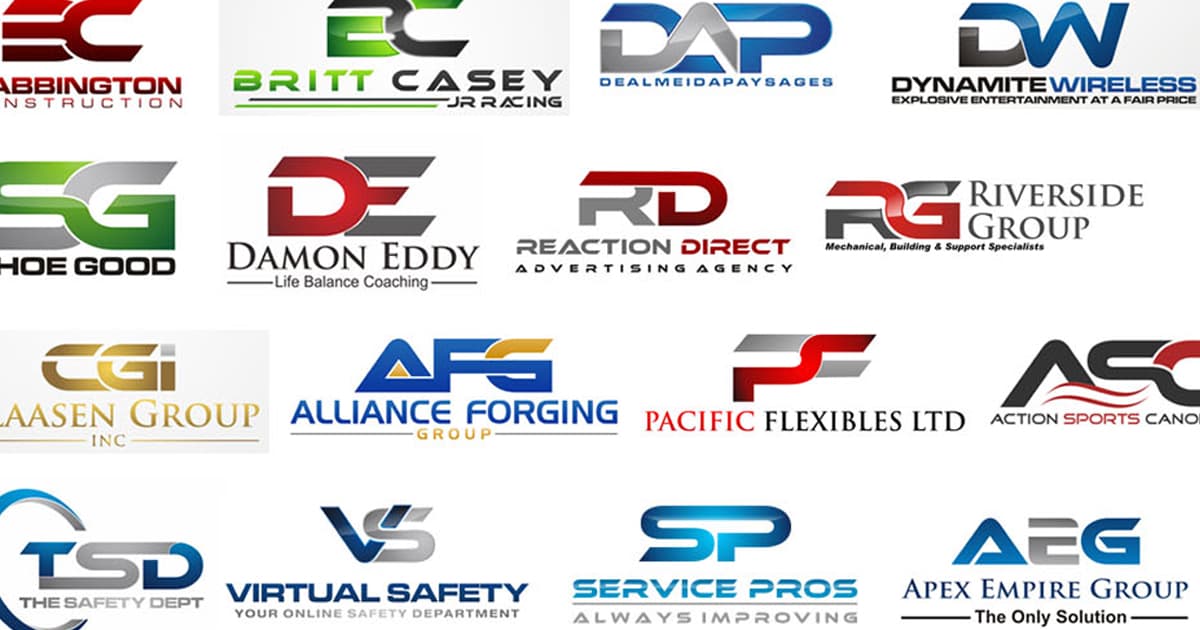
An AI-generated logo is fast, cheap, and the temptation is huge for anyone just starting out. The risk almost nobody mentions upfront isn't aesthetic. It's legal, and it shows up well after you've already applied the brand to business cards, your website, and your email signature.
Without meaningful human input, there's no automatic copyright
Brazil's Copyright Law, no. 9.610/98, recognizes ownership only for intellectual work based on human intellect. A logo generated entirely by AI, without relevant creative editing afterward, has no automatic copyright protection. In practice, this means the brand you think is yours may legally belong to no one.
A platform element doesn't become yours just because you used it
It's possible to register a trademark created with AI assistance at INPI, Brazil's trademark office, as long as it meets originality, distinctiveness, and legitimate commercial use. But if the tool used a proprietary icon or font from a free stock library, those elements aren't yours to register. The logo can be denied or contested after you've already invested time building recognition around it.
The more edited, the more defensible
Documentable human intervention is what builds legal security. When someone modifies color, changes typography, repositions an element, and makes a justifiable visual decision, copyright protection starts to rest on those choices, not on the raw output the AI delivered. The further from the tool's original output, the more defensible the authorship.
AI has no legal personality, so it never owns anything
Artificial intelligence can't hold a trademark, patent, or copyright. Registration always falls on the individual or company responsible for the creation, use, or commercialization. This isn't a technicality: it means all responsibility and every conflict risk stays with whoever used the tool, never with the tool.
The aesthetic risk is real, it's just the smaller of the two
AI tools generate logos from patterns that already exist in bulk. That's why a lot of the results look like the results of any other company that used the same tool: same icon style, same composition, same feeling of already having seen it somewhere. That's the risk everyone can see. The legal one is the one nobody sees until they need a lawyer.
The real cost shows up when someone has to fix it
An AI-generated logo looks like savings on the day you generate it. The math changes when the registration is contested, when the brand needs to prove authorship, or when it becomes clear the result doesn't sustain the business. At that point, someone gets paid to redo it from scratch, with the added headache of already having the old brand applied across materials, website, and signature to undo. Fixing it later costs more than doing it right from the start, and that's the math almost nobody factors in when they choose the fast route.
Perguntas frequentes
Does a logo made entirely by AI have copyright protection in Brazil?
Not automatically. Brazil's Copyright Law, no. 9.610/98, recognizes ownership only for work based on human intellect. A logo generated entirely by AI without relevant creative editing doesn't have that protection.
Can you register a trademark at INPI that was created with AI assistance?
Yes, as long as it meets originality, distinctiveness, and legitimate commercial use. But if the tool used a proprietary icon or font from a free stock library, those specific elements aren't yours to register.
How do you make an AI-generated logo more legally secure?
By editing it: modifying color, changing typography, repositioning elements, and making justifiable visual decisions. The further from the tool's raw output, the more defensible the authorship.
What's the bigger risk of using an AI-generated logo: aesthetic or legal?
The legal one is bigger, even though it's the least noticed. Everyone sees the aesthetic risk; the legal one only shows up when the registration is contested or the brand needs to prove authorship.
Material gratuito
E se a pessoa que criou sua marca sumisse amanhã?
Os 10 ativos que garantem que sua marca continue consistente, com ou sem quem a desenvolveu.
Ferramenta gratuita
Diagnóstico de marca
Responda o scorecard e receba o score da sua marca com uma leitura direta do resultado.
Fazer diagnóstico →
R$97
Agente FAMOSO.®
O processo que uso pra criar posts com tese, não conteúdo genérico. Acesso permanente.
Conhecer o agente →Leia também
- Why Your Brand Looks Amateur (and How to Fix It)Does your brand look amateur even though your business is serious? See the signs that make a brand look smaller than it is and what changes in perception.
- What is visual identity, really?Visual identity is what makes your brand perceived a specific way before a word is said. Most companies treat it as just the logo.
- What a visual identity manual actually doesA visual identity manual isn't a file to store. It's the document that ensures your brand remains the same wherever it appears.
- Why every AI startup has the same logoGradient, spark, lowercase wordmark, blue-purple. Open ten artificial intelligence brands and you'll see almost the same design. Looking alike has a cost.
Escrito por Pedro Cardoso, fundador do FAMOSO.®, estúdio de branding em Porto Alegre.
← Ver todos os artigosDiagnóstico FAMOSO.®
Você não vende o que faz. Vende o que parece que faz.
Análise completa da sua marca mais uma call de 30 minutos. O valor vira crédito integral no projeto.
CONHECER O DIAGNÓSTICO