
How an indie horror film became 2026's phenomenon
Obsessão cost a fraction of a blockbuster and became a word-of-mouth sensation. How a brand gets built without a giant budget, a lesson for any business.
Neste artigo
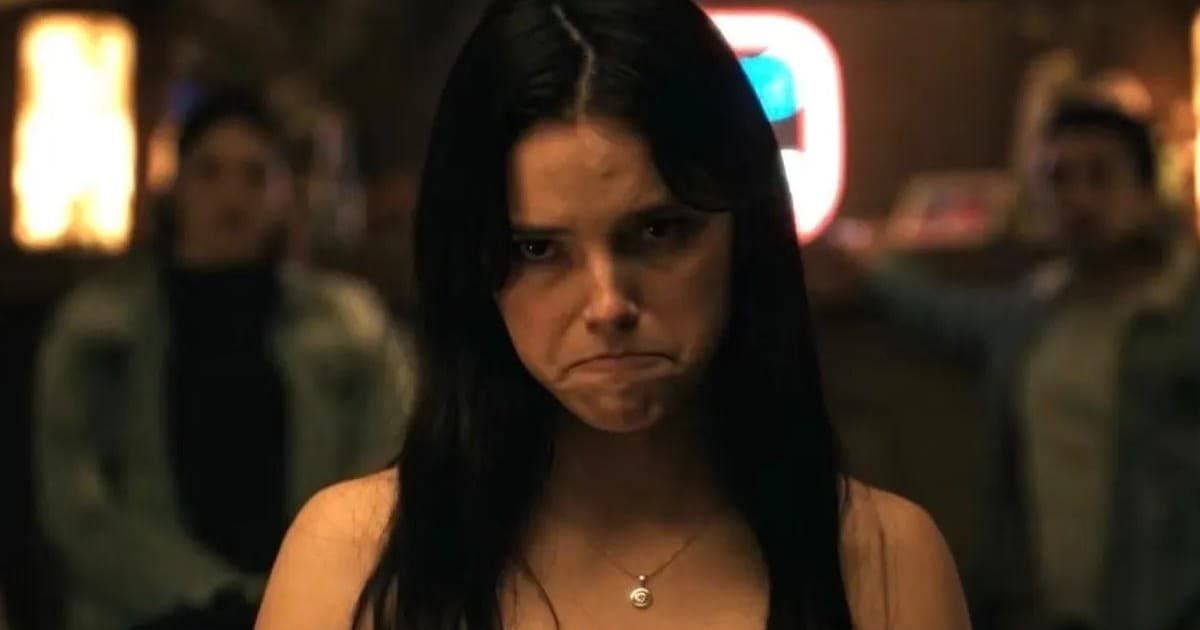
In 2026, a small horror film, made on a fraction of a blockbuster's budget, became the entertainment phenomenon of the year through word of mouth. No billion-dollar campaign, no saturation of commercials. Just people leaving the theater and telling their friends. The case repeats a script the horror genre knows well, and it teaches more about brand building than any manual, because it proves something uncomfortable: attention and desire aren't always bought, often they're built.
The genre that always knew how to build a brand with no money
Indie horror is the oldest low-budget marketing lab there is. The Blair Witch Project, in 1999, cost around 60 thousand dollars and grossed close to 250 million worldwide, partly through a campaign that made people believe it really happened. Paranormal Activity, a decade later, cost about 15 thousand dollars and passed 190 million. More recently, the Terrifier franchise became a phenomenon on tiny budgets, driven by reports of audience members getting sick during screenings that turned into free publicity.
The 2026 phenomenon is the newest chapter in that lineage. The pattern is always the same: little money, a lot of talk. And the talk isn't luck. It's designed.
Why word of mouth works where budget can't reach
A blockbuster buys attention. It shows up everywhere until you can't ignore it. The problem is bought attention evaporates when the money runs out, and it doesn't necessarily generate desire, just recall. Indie horror does the opposite: it generates desire first, and lets desire buy the attention for free.
That happens because these films are built to give people something to talk about. An absurd scare, a scene that shocks, an experience so intense that staying quiet is impossible. The viewer becomes the distribution channel. And a friend's recommendation carries weight no ad can buy, because it comes with built-in trust. It's the same reason a worse competitor sometimes sells for more: the perception built in people's conversations is worth more than the message a company pays to repeat itself.
The ingredient budget can't replace
Here's the part a lot of people get wrong. The word of mouth around these films doesn't come from being cheap. It comes from having a sharp, specific proposition. Each of these phenomena has a clear identity: it's scary in a particular way, it targets an audience that wants exactly that, and it delivers beyond what's expected for its apparent size.
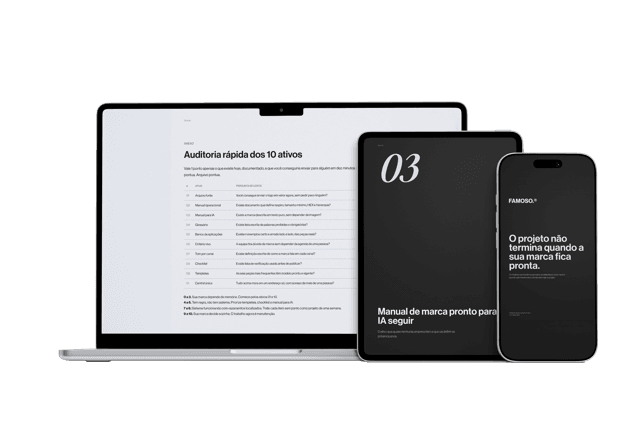
Material gratuito
E se a pessoa que criou sua marca sumisse amanhã?
Os 10 ativos que garantem que sua marca continue consistente, com ou sem quem a desenvolveu.
That's positioning in its purest form. The film doesn't try to please everyone, which would make it forgettable. It chooses to be intensely one thing for a specific audience, and that choice generates the strong reaction that turns into conversation. A lukewarm proposition doesn't generate word of mouth, because nobody comments on what's just okay. What spreads is what provokes a reaction, and a reaction comes from a clear position, not from trying to be everything to everyone.
What a business without budget can take from this
The useful reading for anyone without a giant budget is direct, and it's the opposite of what it seems.
You can't beat the giant at its own game. Competing on ad volume against someone with a hundred times your budget is losing by definition. The way out isn't to shout louder, it's to be specific enough that whoever you reach can't stay quiet about it.
A sharp proposition beats a big budget. Clear positioning and a delivery that exceeds expectations for the business's apparent size generate recommendations. And recommendation is the cheapest, most trusted media there is, the same one that made a 15-thousand-dollar film gross hundreds of millions.
The product is the marketing. In these cases, there's no separation between what was delivered and what was promoted. The experience is so memorable that it does its own promotion. For a small business, that means investing in delivering something worth talking about pays off more than investing in ads for something ordinary.
Budget helps, nobody's going to pretend otherwise. But the lesson indie horror repeats every few years is that budget isn't a prerequisite for building a desired brand. A clear proposition, a specific audience, and a delivery that provokes a reaction build, with little money, what a lot of money alone can't buy: people wanting to talk about you.
Perguntas frequentes
How did a small horror film become a phenomenon without a blockbuster budget?
Through word of mouth: people leaving the theater and telling their friends, repeating a script other cheap horror films already used, like The Blair Witch Project and Paranormal Activity.
What makes word of mouth work where marketing budget can't reach?
A sharp, specific proposition, generating a reaction strong enough to become conversation. A lukewarm proposition doesn't generate word of mouth, because nobody comments on what's just okay.
Can a business without a big marketing budget compete with bigger competitors?
Yes, by being specific enough that whoever you reach can't stay quiet, instead of trying to compete on ad volume against someone with more budget.
Can the product itself work as marketing?
Yes. When the experience is memorable enough, it does its own promotion. Investing in delivering something worth talking about pays off more than investing in ads for something ordinary.
Material gratuito
E se a pessoa que criou sua marca sumisse amanhã?
Os 10 ativos que garantem que sua marca continue consistente, com ou sem quem a desenvolveu.
Ferramenta gratuita
Diagnóstico de marca
Responda o scorecard e receba o score da sua marca com uma leitura direta do resultado.
Fazer diagnóstico →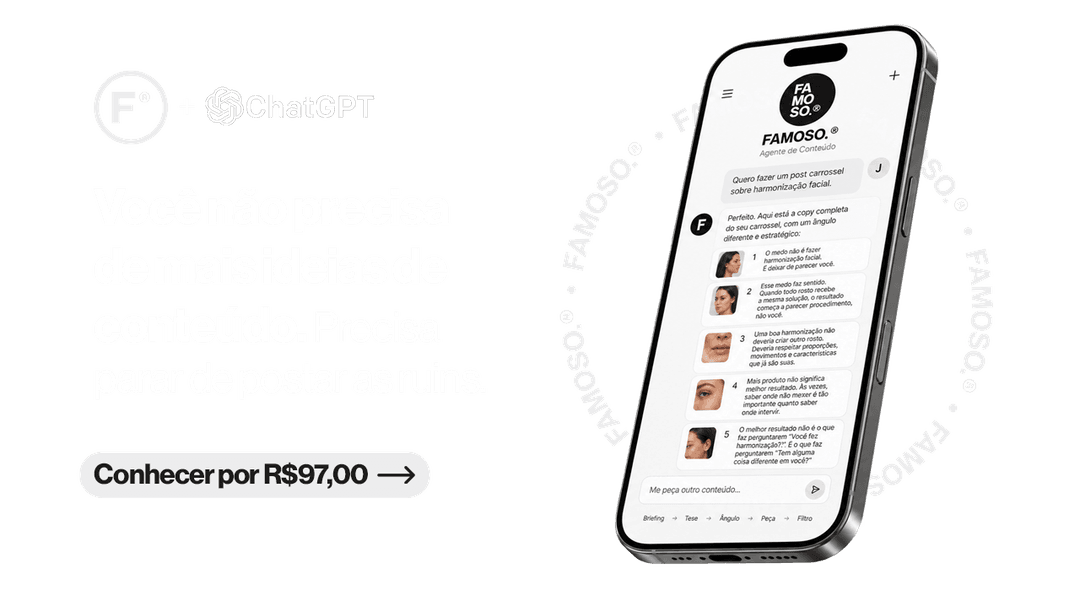
R$97
Agente FAMOSO.®
O processo que uso pra criar posts com tese, não conteúdo genérico. Acesso permanente.
Conhecer o agente →Leia também
- Brand equity: why your brand may be worth moreBrand equity is the value your brand adds beyond the product itself. Understand how it affects price, preference, and growth.
- Your Competitor Is Worse and Charges MoreThey deliver less than you, charge more, and sell more. It's not market injustice, it's perception built on purpose, and you can turn the game around.
- What brand positioning is (and why it costs you)Brand positioning isn't a slogan. It's the position your company occupies in the client's mind before any conversation. And it defines the price you can charge.
- Does Investing in Brand Pay Off? How to Measure ItBrand has ROI, but it doesn't show up in the same line item or month you pay for it. Where the return actually shows up.
- Toy Story 5 and the fear every brand hasA tablet threatens the toys on screen, and off screen the franchise breaks box office records. Toy Story 5 is a masterclass in relevance and brand equity.
- CazéTV broke a YouTube record: what it reveals21.2 million simultaneous devices, R$2 billion in sponsorship before kickoff. CazéTV proved brand trust doesn't depend on being a TV network.
Escrito por Pedro Cardoso, fundador do FAMOSO.®, estúdio de branding em Porto Alegre.
← Ver todos os artigosDiagnóstico FAMOSO.®
Você não vende o que faz. Vende o que parece que faz.
Análise completa da sua marca mais uma call de 30 minutos. O valor vira crédito integral no projeto.
CONHECER O DIAGNÓSTICO