
Toy Story 5 and the fear every brand has
A tablet threatens the toys on screen, and off screen the franchise breaks box office records. Toy Story 5 is a masterclass in relevance and brand equity.
Neste artigo
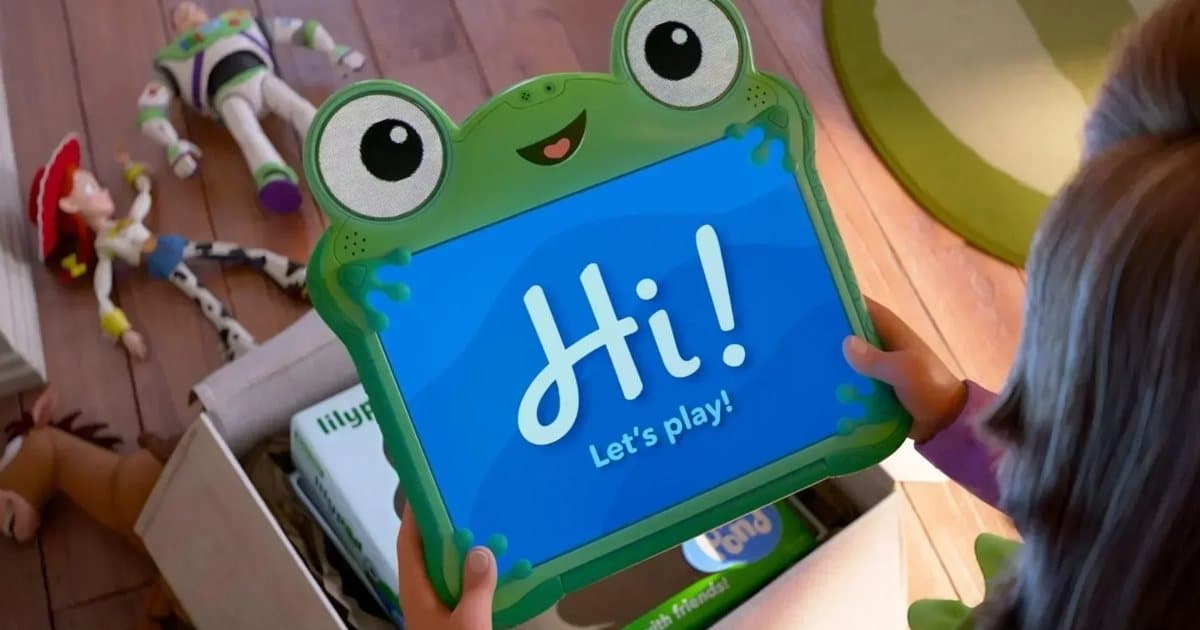
Toy Story 5 opened in June 2026 with the biggest debut in Pixar history, over 880 million dollars worldwide. The detail that matters to anyone thinking about brand isn't the box office number, it's the plot. The film's villain isn't an evil toy or a human. It's a tablet called LilyPad, the owner's new favorite that steals the attention once given to the toys. The franchise, without meaning to, wrote a script about the most real fear any brand has: becoming obsolete, getting pushed aside by something newer.
The fear the film stages is the fear of every business
Toy Story's central theme has always been this, since the first film: the dread of being replaced. Woody fears Buzz, the new toy. Later, all of them fear being forgotten once the kid grows up. In 2026, the enemy became the screen, the device competing for the attention that used to belong to objects.
Swap toy for brand and the story is the same. Every brand lives under the threat that something newer, shinier, or more convenient will take its place in people's preference. Entire categories have been replaced this way, by a new technology or a new habit. Obsolescence rarely announces itself. It arrives like a LilyPad, a competitor that at first looks like just another item on the shelf and suddenly is the favorite.
Why Toy Story can age and not become obsolete
Here's the interesting paradox. A fifth film, seven years after the fourth gave the story what looked like a definitive ending, could have been the textbook example of a franchise squeezed dry. Instead, it broke records. The reason has a name: brand equity, the accumulated value a brand stores in people's minds after years of positive association.
Over three decades, Toy Story built an enormous reserve of that value. Generations grew up with these characters, and the brand came to mean childhood, emotional memory, Pixar quality. That reserve is what makes millions of people buy tickets opening weekend before a single review comes out. They're not buying an unknown film, they're buying a relationship they already trust. Brand equity is exactly that: the difference between launching to people who already love you and launching to people who've never heard of you.
Equity isn't a license to coast
It would be easy to look at the box office and conclude a beloved brand sells forever. That's exactly where a lot of franchises lose their way. Brand equity is a reserve, and a reserve gets spent if it's never refilled. Every weak release draws down that account. A lazy sequel, made just to milk the name, delivers short-term money and erodes the trust that generated that money in the first place. Do that a few times and the audience learns the brand has become a repetition machine, and the reserve evaporates.
Material gratuito
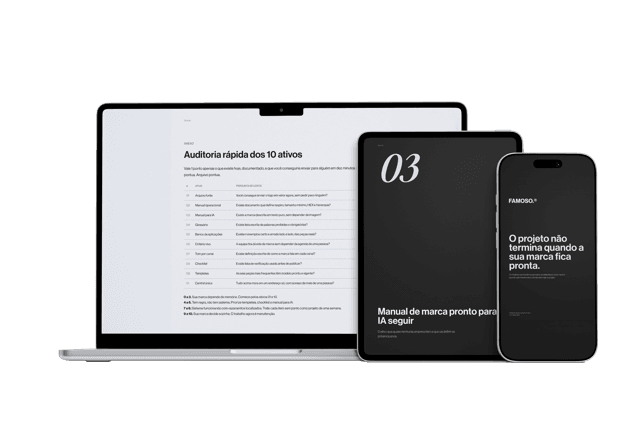
E se a pessoa que criou sua marca sumisse amanhã?
Os 10 ativos que garantem que sua marca continue consistente, com ou sem quem a desenvolveu.
What sustains Toy Story isn't just the name, it's the care taken to keep the name deserving of trust. The fifth film updates the same core fear for the world of devices, instead of recycling the formula with nothing new to say. That's evolution that preserves the essence, not repetition that empties it out. It's the same difference that separates a good repositioning from a change for change's sake: keep what matters and adjust what needs to keep pace with the times.
What a brand can take from this box office run
Three lessons hold up, useful for any business that doesn't make movies.
Relevance is a moving target. What got you chosen yesterday doesn't guarantee you get chosen tomorrow. The LilyPad of your category is already being built somewhere. The brand that assumes it's safe is the one that gets blindsided hardest.
Brand equity is the asset that buys you time. The accumulated trust reserve is what lets you survive a market shift without starting from zero. It's what makes the customer give you the benefit of the doubt when the new thing shows up. Building that reserve during calm periods is what saves you when the threat arrives.
Reserve doesn't replace delivery. No amount of accumulated goodwill survives repeated letdowns. A brand stays relevant only as long as it keeps earning it, updating what needs to change without betraying what people love about it.
Toy Story 5 tells the same story on screen and off. On screen, toys afraid of being traded for a screen. Off screen, a brand proving that if it knows how to accumulate and honor people's trust, it doesn't become the forgotten toy at the bottom of the chest. It becomes the one still filling movie theaters thirty years later.
Perguntas frequentes
What record did Toy Story 5 break on opening?
It had the biggest debut in Pixar history, with over 880 million dollars worldwide in June 2026.
Why can a thirty-year-old franchise still break box office records?
Because of brand equity: the accumulated value a brand stores in people's minds after years of positive association, which makes millions buy tickets before a single review even comes out.
Does having brand equity guarantee a brand never loses relevance?
No. Brand equity is a reserve that gets spent if it's never refilled. A lazy sequel, made just to milk the name, erodes the trust that generated that money.
Who's the villain in Toy Story 5 and what does it represent for the brand theme?
It's the tablet LilyPad, which steals the toys' attention. It represents every brand's fear: becoming obsolete and being replaced by something newer or more convenient.
Material gratuito
E se a pessoa que criou sua marca sumisse amanhã?
Os 10 ativos que garantem que sua marca continue consistente, com ou sem quem a desenvolveu.
Ferramenta gratuita
Diagnóstico de marca
Responda o scorecard e receba o score da sua marca com uma leitura direta do resultado.
Fazer diagnóstico →
R$97
Agente FAMOSO.®
O processo que uso pra criar posts com tese, não conteúdo genérico. Acesso permanente.
Conhecer o agente →Leia também
- Brand equity: why your brand may be worth moreBrand equity is the value your brand adds beyond the product itself. Understand how it affects price, preference, and growth.
- Brand repositioning: what it is and how to do itBrand repositioning isn't a visual overhaul. It's changing how the market perceives your business, and how to do it right.
- How to know if your brand needs rebranding7 concrete signs that your brand is limiting your business growth, and when rebranding won't fix it and is money wasted.
- Brand architecture: what it is and why it mattersBrand architecture defines how a business's products, services, and brands relate to each other. Understand when it matters and how wrong decisions are costly.
- How an indie horror film became 2026's phenomenonObsessão cost a fraction of a blockbuster and became a word-of-mouth sensation. How a brand gets built without a giant budget, a lesson for any business.
- Is Fiat Brazilian? The answer and what it hidesFiat is Italian and foreign-controlled. It still leads Brazilian car sales five years running and reads as local. The reason is not price.
Escrito por Pedro Cardoso, fundador do FAMOSO.®, estúdio de branding em Porto Alegre.
← Ver todos os artigosDiagnóstico FAMOSO.®
Você não vende o que faz. Vende o que parece que faz.
Análise completa da sua marca mais uma call de 30 minutos. O valor vira crédito integral no projeto.
CONHECER O DIAGNÓSTICO