
Your Competitor Is Worse and Charges More
They deliver less than you, charge more, and sell more. It's not market injustice, it's perception built on purpose, and you can turn the game around.
Neste artigo
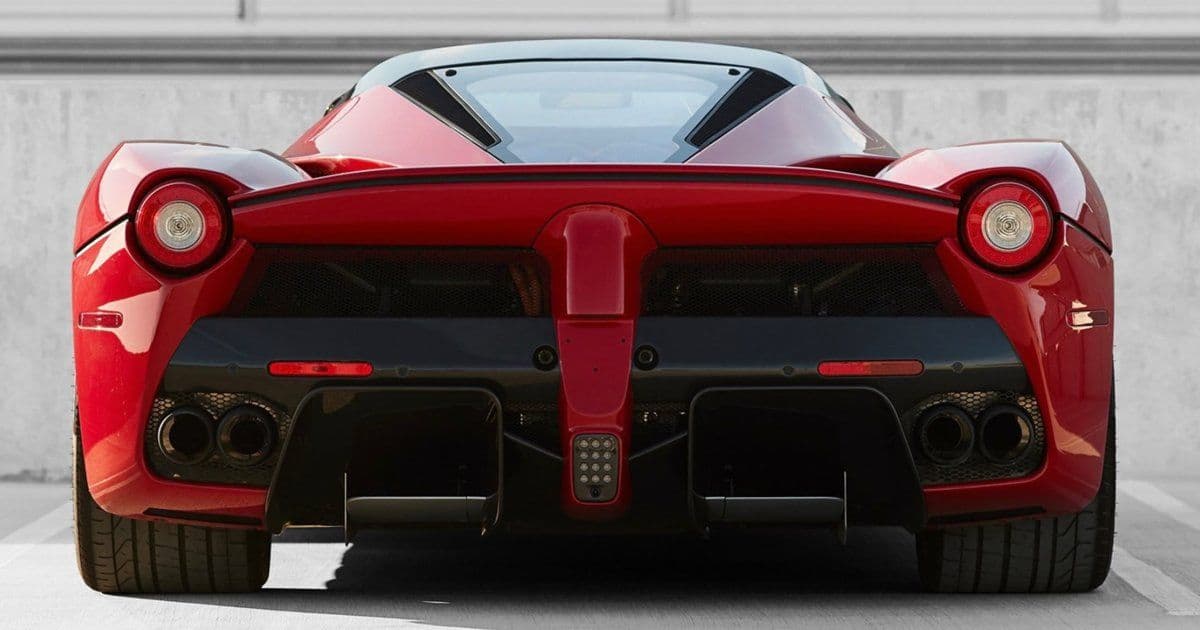
There's a competitor in your market who delivers less than you and charges more. You know their product, you know yours is better, and they still sell more, with a bigger margin. That's not chance or market injustice. It's perception built on purpose.
The client doesn't compare products, they compare impressions. And the impression they have of each brand arrives long before they examine what each one actually delivers. Your competitor won the impression. You won the product. At purchase time, the impression decides first.
The client decides with what they can see
Most of what you do better is invisible at decision time. The more careful process, the superior finish, the on-time delivery, the support that doesn't disappear. The client only discovers that after buying. Before buying, they decide with what they can see: the brand, the material, how you present yourself.
If the competitor looks more expensive and more solid, the client assumes they're better, because that's the only signal available before the purchase. They use appearance as a shortcut to quality. Brand is that shortcut, and whoever controls the shortcut controls the expectation.
A high price reads as a quality signal
There's an effect working against you when you're the cheap option: a high price signals quality. Facing two options without knowing either in depth, plenty of people pick the pricier one exactly because it's pricier, assuming the price reflects value.
Your competitor uses that to their advantage. A high price doesn't scare off clients, it attracts the client who associates expensive with good. And your lower price, which you thought was an advantage, becomes suspicion: if it's so good, why is it so cheap. Being the cheapest in a market is a fragile position, because it communicates doubt about your own value.
They invested where you saved
The difference is rarely the product. It's where each of you chose to invest. While you put everything into delivery, they split it between delivery and perception. They spent on looking like what they charge: consistent identity, a presence that reads as solid, communication aligned from first contact to proposal.
You might find that superficial, and in part it is. But the client buys with the information they have, and perception is the information they get first. Brand positioning: real examples shows companies that won markets by being pricier and not necessarily better on product.
Accumulated perception becomes an asset
Perception built consistently over time becomes an asset that sells on its own. The competitor who has looked premium for years no longer needs to prove it in every sale, the reputation arrives before them. That's brand equity: the accumulated value that makes the same product worth more just for carrying that name.
You're starting that math from zero with every client because you haven't accumulated perception. Every sale is a new proof, from scratch, against a competitor who no longer has to prove anything. That's why they close deals easier and pricier, even while delivering less.
What to do about it
Discounting doesn't solve it, it deepens it. Dropping the price to compete confirms the perception that you're the cheap option and pushes you into a fight the premium competitor isn't even in. You become the price reference, they stay the value reference.
The path runs against instinct. Instead of justifying why you're cheaper, build why you're worth more. That means:
- →Aligning the brand with the real level of delivery, so perception stops lying downward.
- →Choosing to speak to the client who compares by result, not by price.
- →Treating brand as the argument that closes the sale before the price conversation, not as decoration.
That's positioning, the decision of where you want to sit in the client's head before they compare prices.
The worse competitor who charges more didn't discover a trick. They understood before you did that the market decides on perception and only checks the product afterward. While you bet everything on being better and nothing on looking better, they'll keep taking the client both of you wanted. Being the best doesn't help if, at the moment of choice, you look like the cheapest.
Perguntas frequentes
Why can a competitor who delivers less charge more and sell more?
Because the client decides with what they can see before buying: the brand, the material, the presentation. If the competitor looks more solid, the client assumes they're better, even without actually comparing the delivery.
Does a high price really convey a sense of quality?
Yes. Facing two unknown options, plenty of people pick the pricier one assuming the price reflects value. Being the cheapest can even communicate doubt about your own worth.
Does lowering the price to compete with that competitor solve the problem?
No, it deepens it. Lowering the price confirms the perception that you're the cheap option and pushes you into a fight the premium competitor isn't even in.
What should I do instead of competing on price with a pricier competitor?
Align the brand with the real level of delivery, choose to speak to the client who compares by result, and treat the brand as the argument that closes the sale before the price conversation.
Material gratuito
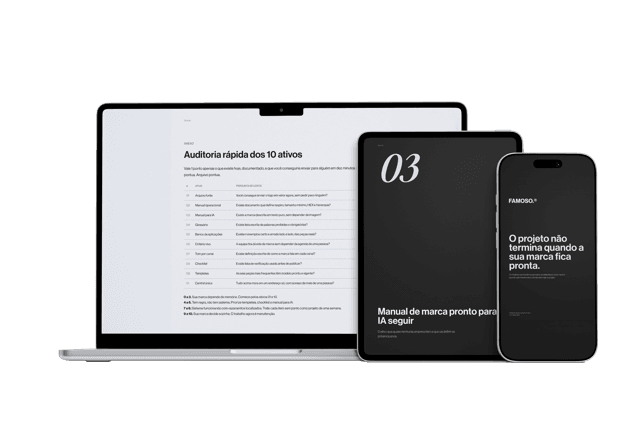
E se a pessoa que criou sua marca sumisse amanhã?
Os 10 ativos que garantem que sua marca continue consistente, com ou sem quem a desenvolveu.
Ferramenta gratuita
Diagnóstico de marca
Responda o scorecard e receba o score da sua marca com uma leitura direta do resultado.
Fazer diagnóstico →
R$97
Agente FAMOSO.®
O processo que uso pra criar posts com tese, não conteúdo genérico. Acesso permanente.
Conhecer o agente →Leia também
- What brand positioning is (and why it costs you)Brand positioning isn't a slogan. It's the position your company occupies in the client's mind before any conversation. And it defines the price you can charge.
- Brand positioning: 5 real examplesPositioning isn't theory. It's the perception a brand installs before any conversation. See 5 concrete examples.
- Brand equity: why your brand may be worth moreBrand equity is the value your brand adds beyond the product itself. Understand how it affects price, preference, and growth.
- Why your store only sells on discountCoupon after coupon, margin on the floor, and the feeling that without a promotion nobody buys. The problem is almost never price. It's perception.
- Is Fiat Brazilian? The answer and what it hidesFiat is Italian and foreign-controlled. It still leads Brazilian car sales five years running and reads as local. The reason is not price.
Escrito por Pedro Cardoso, fundador do FAMOSO.®, estúdio de branding em Porto Alegre.
← Ver todos os artigosDiagnóstico FAMOSO.®
Você não vende o que faz. Vende o que parece que faz.
Análise completa da sua marca mais uma call de 30 minutos. O valor vira crédito integral no projeto.
CONHECER O DIAGNÓSTICO