
Why your store only sells on discount
Coupon after coupon, margin on the floor, and the feeling that without a promotion nobody buys. The problem is almost never price. It's perception.
Neste artigo
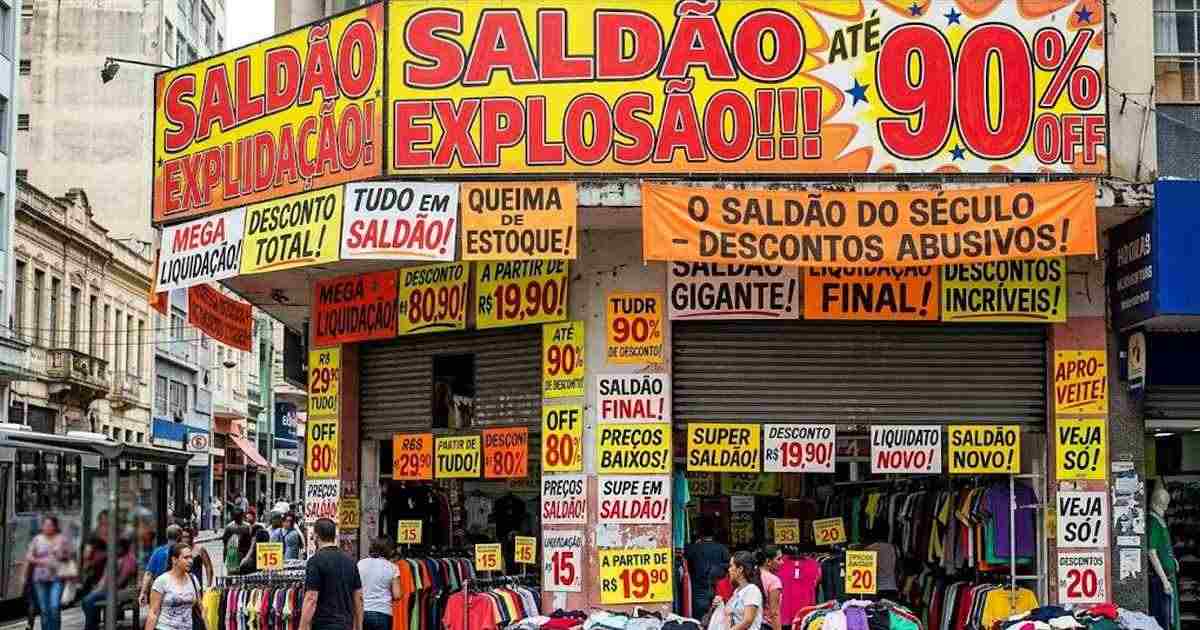
There's a pattern that scares every online store owner. While the coupon is active, sales happen. The day the price goes back to normal, traffic drops. The conclusion seems obvious: my customer only buys on discount. And then the cycle kicks in, one more promotion, one more clearance, margin shrinking with every campaign. The diagnosis is almost always wrong. The problem is rarely the price. It's the perception the store projects before the customer even looks at the price.
Discount doesn't create value, it reveals the lack of it
When the only lever that moves a sale is a discount, that's not a sign of a price-sensitive customer. It's a sign the store gave no other reason to buy. Without a brand that justifies the value, price becomes the only criterion, because it's the only thing left to compare.
You don't sell what you do, you sell what it looks like you do. The customer decides whether something is worth it before knowing how much it costs, and that decision is made based on what the store communicates: whether it looks trustworthy, whether it looks like it delivers, whether it looks like it'll still be around next week. A store that never builds that perception only has one argument left to offer, and that argument is being cheaper. Anyone competing on price alone is always one competitor away from losing the sale.
What pushes the customer toward the discount
A few signals make a store seem like it only deserves to be bought on sale.
Generic appearance. A store that looks like a thousand others, with the same off-the-shelf theme, the same supplier photos, no identity of its own, gives the customer no reason to pay full price. If everything looks the same, the cheapest wins.
Lack of visible trust. Without reviews, without a face, without clear return and shipping information, the customer feels risk. And when they feel risk, they want a lower price to compensate for the chance it goes wrong. The discount becomes an insurance they demand.
Training the customer itself. A store that lives in a permanent sale teaches the customer to never buy at full price. They learn all they have to do is wait for the next clearance. The brand trains its audience to devalue the product and then complains that nobody pays the real value.
The bill the discount hides
Material gratuito
E se a pessoa que criou sua marca sumisse amanhã?
Os 10 ativos que garantem que sua marca continue consistente, com ou sem quem a desenvolveu.
A discount feels painless because the sale shows up right away. The cost comes later and it's bigger than it looks. Every dollar cut from the price comes entirely out of the margin, which is the part of the money that actually remains. A store working with a 30% margin that gives a 15% discount isn't giving up 15% of profit, it's giving up half of it.
Beyond the immediate math, there's positioning damage. Constant promotion repositions the store downward in the customer's mind. The brand stops being "the store I want" and becomes "the cheap store," and getting out of that spot later costs far more than never having gotten into it would have. It's the same mechanism that keeps a company from raising its price even while delivering well: the perception it built can't support a higher number.
How to break the cycle
The way out isn't simply stopping discounts and hoping for the best. It's building the reasons to buy that don't exist today, so price stops being the only argument.
Work on the store's perception. Its own identity, photos that aren't the supplier's, a presentation that conveys care. A store that looks cared for can charge like a store that's cared for. It's the difference between looking professional and looking improvised, and it pays for itself in margin.
Make trust visible. Real customer reviews, a clear return policy, who's behind the store, contact channels that actually work. Every one of these elements reduces perceived risk, and lower risk means the customer no longer needs the discount as a guarantee.
Give a reason beyond price. Curation, specialization in a niche, service, a clear promise of what the store solves. When there's a reason to choose that store, the full price stops being an obstacle.
Discounts have a place as a one-off tool, on a specific date, with a clear goal. The problem is using it as a permanent strategy to patch a perception gap. A store that only sells on discount doesn't have a price problem, it has a brand problem. And a brand problem doesn't get solved by cutting price, it gets solved by building the value that stops price from being the only conversation.
Perguntas frequentes
Why does my store only sell when there's an active coupon or promotion?
Usually because the store gave no other reason for the customer to buy. Without a brand that justifies the value, price becomes the only decision criterion.
Does cutting the price to sell more actually pay off?
Almost never. A store working with a 30% margin that cuts 15% off the price isn't giving up 15% of profit, it's giving up half of it.
Does running constant promotions hurt a store in the long run?
Yes. Constant promotion repositions the store downward in the customer's mind, who then always expects the lower price and never buys at full value.
How do you break the cycle of depending on coupons to sell?
By working on the store's perception with its own identity, making trust visible with real reviews and a clear return policy, and giving the customer a reason to buy beyond price.
Material gratuito
E se a pessoa que criou sua marca sumisse amanhã?
Os 10 ativos que garantem que sua marca continue consistente, com ou sem quem a desenvolveu.
Ferramenta gratuita
Diagnóstico de marca
Responda o scorecard e receba o score da sua marca com uma leitura direta do resultado.
Fazer diagnóstico →
R$97
Agente FAMOSO.®
O processo que uso pra criar posts com tese, não conteúdo genérico. Acesso permanente.
Conhecer o agente →Leia também
- Why Your Company Can't Charge MoreYou improved the product and still hear it's too expensive. The problem is almost never the price, it's the perception.
- Your Competitor Is Worse and Charges MoreThey deliver less than you, charge more, and sell more. It's not market injustice, it's perception built on purpose, and you can turn the game around.
- Why Your Brand Looks Amateur (and How to Fix It)Does your brand look amateur even though your business is serious? See the signs that make a brand look smaller than it is and what changes in perception.
- Does Investing in Brand Pay Off? How to Measure ItBrand has ROI, but it doesn't show up in the same line item or month you pay for it. Where the return actually shows up.
Escrito por Pedro Cardoso, fundador do FAMOSO.®, estúdio de branding em Porto Alegre.
← Ver todos os artigosDiagnóstico FAMOSO.®
Você não vende o que faz. Vende o que parece que faz.
Análise completa da sua marca mais uma call de 30 minutos. O valor vira crédito integral no projeto.
CONHECER O DIAGNÓSTICO