
Brand redesign: when it's worth it
Brand redesign isn't about liking your logo more. It's about correcting what your perception is communicating wrong.
Neste artigo
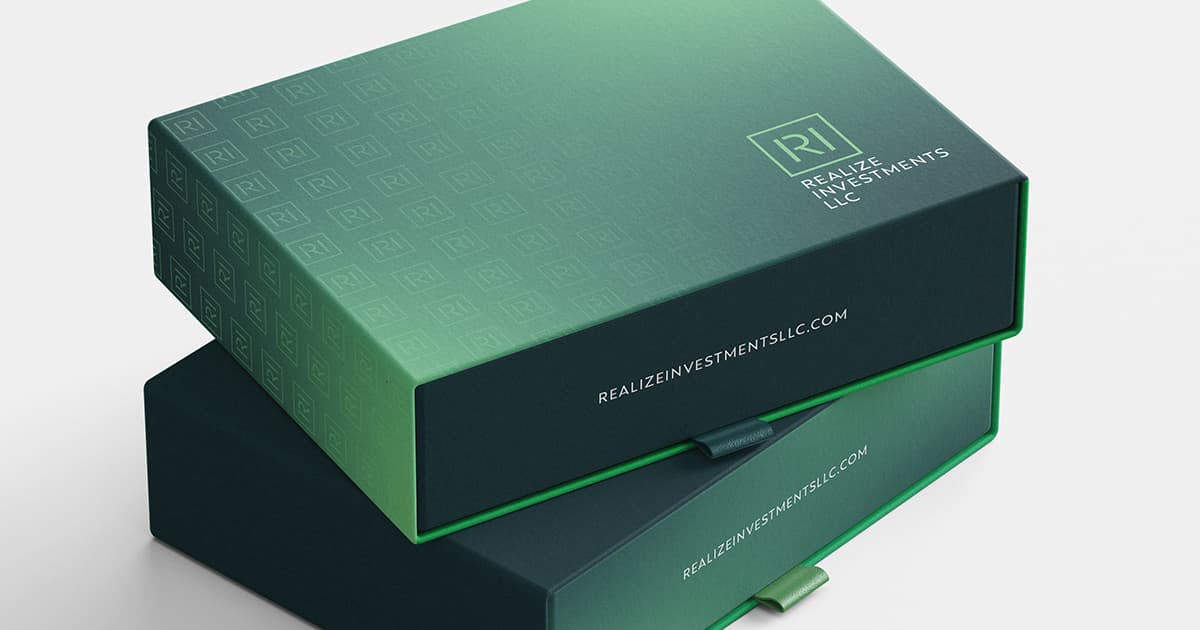
Some companies do a redesign because they got tired of the logo.
Some companies do a redesign because the business grew and the brand was left behind.
These are two completely different moves. One is an expense. The other is an investment.
What brand redesign really is
Brand redesign isn't changing visuals because they became dated. It's correcting what perception is communicating wrong.
When a business evolves, operations improve, tickets go up, the product becomes more sophisticated. The brand doesn't automatically follow this movement. It stays frozen at the stage where it was created.
The result appears before any meeting. The client arrives skeptical. The proposal needs three calls to close. The competitor who delivers less closes what was yours.
This isn't a sales problem. It's a perception problem.
If the problem runs deeper than form, involving positioning and tone of voice beyond the visual, the path is rebranding, not redesign.
When redesign makes sense
There are concrete signs that the moment has arrived.
- →The business grew but the brand didn't. You serve bigger clients, charge more, deliver more. But the visual identity still looks like when you started. This mismatch costs margin.
- →You lose to a competitor who delivers less. When a company with an inferior product closes more than you, the variable is almost always perception. The market doesn't have access to what you deliver. It has access to what you look like.
- →The client asks for a discount before hearing the proposal. Discount before negotiation is a sign the brand didn't install value before contact. The client arrived with no reason to pay full price.
- →You feel a quiet embarrassment about sending the link. It's not modesty. It's your brain recognizing the misalignment between what you deliver and what the visual communicates.
When redesign is a waste of time
Redesign doesn't solve everything. And there are cases where it solves nothing.
- →When the problem is operational. A strong brand doesn't save a bad product, a broken process, or inconsistent delivery. If the problem is in the operation, redesign is cosmetic.
- →When positioning isn't defined yet. Visual identity is the manifestation of positioning. If you still don't know exactly what your brand is, who it serves, and what differentiates it, any visual will be a guess.
- →When the motivation is trend. Rebranding by trend is changing clothes without knowing where you're going. Expensive and useless. A modern visual without strategy ages by the next season.
- →When it's just personal taste. 'I got tired of the logo' is not a brief. It's an impulse. Redesign without a real problem to solve is wasted investment.
What happens when redesign is done right
When redesign starts from a real perception problem and is executed with strategy, the result isn't aesthetic. It's commercial.
The right client arrives with less resistance. The wrong one doesn't even look for you. The proposal closes faster. The discount disappears from negotiation. The ticket goes up without needing justification.
Not because the logo became beautiful. Because perception changed before the conversation started.
Where to start
Before any visual decision, the diagnosis needs to exist. What is the brand communicating now? To whom? What does the client perceive before reaching you?
These answers determine whether the problem is real, what the correct direction is, and whether the investment makes sense now.
Without diagnosis, redesign is a matter of taste.
Perguntas frequentes
What are the signs it's time for a brand redesign?
The business grew but the visual identity didn't follow, you lose to a competitor who delivers less, clients ask to negotiate price before hearing the full proposal, and you feel a quiet embarrassment about sending your brand's link.
When should a business avoid spending money on a redesign?
When the real problem is operational, when positioning isn't defined yet, when the motivation is just following a trend, or when it's driven by personal taste rather than a real problem to solve.
What's the difference between redesign and rebranding?
Redesign changes the visuals under an existing strategy. If the problem runs deeper than form, touching positioning and tone of voice, the right path is rebranding, not redesign.
Should I redesign my brand based on how I feel about the logo?
No. Without a diagnosis first, redesign is just a matter of taste. The diagnosis is what determines whether the problem is real and what the correct direction is.
Material gratuito
E se a pessoa que criou sua marca sumisse amanhã?
Os 10 ativos que garantem que sua marca continue consistente, com ou sem quem a desenvolveu.
Ferramenta gratuita
Diagnóstico de marca
Responda o scorecard e receba o score da sua marca com uma leitura direta do resultado.
Fazer diagnóstico →
R$97
Agente FAMOSO.®
O processo que uso pra criar posts com tese, não conteúdo genérico. Acesso permanente.
Conhecer o agente →Leia também
- Brand repositioning: what it is and how to do itBrand repositioning isn't a visual overhaul. It's changing how the market perceives your business, and how to do it right.
- How to know if your brand needs rebranding7 concrete signs that your brand is limiting your business growth, and when rebranding won't fix it and is money wasted.
- What brand positioning is (and why it costs you)Brand positioning isn't a slogan. It's the position your company occupies in the client's mind before any conversation. And it defines the price you can charge.
Escrito por Pedro Cardoso, fundador do FAMOSO.®, estúdio de branding em Porto Alegre.
← Ver todos os artigosDiagnóstico FAMOSO.®
Você não vende o que faz. Vende o que parece que faz.
Análise completa da sua marca mais uma call de 30 minutos. O valor vira crédito integral no projeto.
CONHECER O DIAGNÓSTICO